Give Me Patience

Six and a half hours into the five hour drive, I realized that my four-year-old grandson had asked me, “Are we there yet?” at least a dozen times. I could sympathize. That is a long time to be stuck incarcerated in seatbelt, much less a car seat with an over the shoulders harness. Having no real sense of time or distance yet, it surely was frustrating for him.

Finally I figured out a way to slow down the questions. The next time (approximately 3 minutes later) he asked, I said, “Look out your window. Do you see your house?” He would crane his head around both sides of his car seat and answer, “No, Nana! I don’t see my house!” And I would say, “Well, there’s your answer!”

Patience. It is a difficult thing to teach a child, especially when we’ve lost it ourselves. I have often confessed that my favorite prayer is, “Lord, give me patience. AND GIVE IT TO ME RIGHT NOW.”

James 5 counsels patience to an impatient world:

James 5:7-11

Therefore, brothers and sisters, you must be patient as you wait for the coming of the Lord. Consider the farmer who waits patiently for the coming of rain in the fall and spring, looking forward to the precious fruit of the earth. You also must wait patiently, strengthening your resolve, because the coming of the Lord is near. Don’t complain about each other, brothers and sisters, so that you won’t be judged. Look! The judge is standing at the door!

10 Brothers and sisters, take the prophets who spoke in the name of the Lord as an example of patient resolve and steadfastness.11 Look at how we honor those who have practiced endurance. You have heard of the endurance of Job. And you have seen what the Lord has accomplished, for the Lord is full of compassion and mercy.

I wonder how much we actually think about the coming of the Lord. Jesus has promised to return, and his Second Coming will usher in a new rule, a new world, and a new Kingdom on earth. But we walk around so consumed with our daily chores and burdens, we forget to anticipate that his return might be any day now.

We’re not home just yet.

Impatience is a distractor that basically has no purpose. It doesn’t produce much beyond frustration, lack of focus, anger, and a feeling of annoyance. When children get impatient, we try to just distract them long enough for the thing to transpire. But as adults, we give into impatience and turn waiting into seething and seething into action. We take the matter into our own hands when we should have left well enough alone.

James encourages us to stay steady and strong. He reminds us that those who have staying power and have endurance will discover that God is working to bring it all together for us in the end, just as he did for the old prophet mentors.

What are you pushing hard at right now? We often try to rush and hurry things that are better left to develop and grow on their own. A child who is slow to learn, an idea you are trying to promote, a marriage that has lost its charm, a dream you can’t wait to realize, a purchase you can’t afford without a credit card … life moves slowly at times, and we impatiently force things that we shouldn’t.

James instructs us today to allow things to mature and be realized in their own time. God will bring rain that will do its slow but sure work to whatever it is you are trying to handle on your own. The farmer knows to wait. Be patient like that, and before you know it, you will be home.
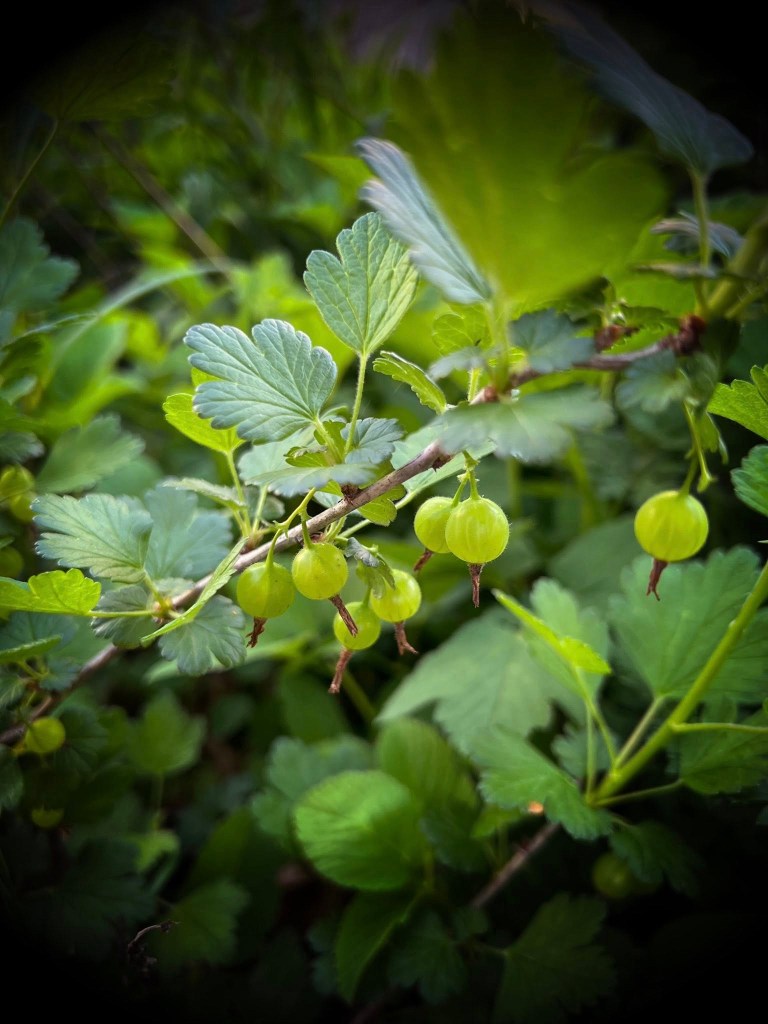
The Farmer Waits by Becca Ziegler

Rest in God’s Timing

 It is said that patience is a virtue, and many of us may feel that it is a gift from God that somehow we missed. Have I ever shared my favorite prayer with you? Its “Lord, give me patience. AND GIVE IT TO ME RIGHT NOW!” It is hard to be patient, and even harder to be patient in the face of suffering. Today we will read Paul’s letter to the Thessalonians and think about how hard it is to wait. Paul mentions that they are waiting for the son of God to return from heaven to rescue them from the coming wrath. They were suffering persecution from their neighbors, who either worshipped false idols or were Jews who were offended by their message. Amidst this, they somehow continued their good work in spreading the good news:

1 Thessalonians 1 (Common English Bible)

We always thank God for all of you when we mention you constantly in our prayers. This is because we remember your work that comes from faith, your effort that comes from love, and your perseverance that comes from hope in our Lord Jesus Christ in the presence of our God and Father. Brothers and sisters, you are loved by God, and we know that he has chosen you. We know this because our good news didn’t come to you just in speech but also with power and the Holy Spirit and with deep conviction. You know as well as we do what kind of people we were when we were with you, which was for your sake. 

You became imitators of us and of the Lord when you accepted the message that came from the Holy Spirit with joy in spite of great suffering. As a result you became an example to all the believers in Macedonia and Achaia. The message about the Lord rang out from you, not only in Macedonia and Achaia but in every place. The news about your faithfulness to God has spread so that we don’t even need to mention it. People tell us about what sort of welcome we had from you and how you turned to God from idols. As a result, you are serving the living and true God, 10 and you are waiting for his Son from heaven. His Son is Jesus, who is the one he raised from the dead and who is the one who will rescue us from the coming wrath.

Their hope and expectation of the Second Coming was commendable given the abuse and alienation they were enduring. Paul deliberately links this promise to their “turning to God from idols” (verse 9) in an effort to stem any temptation to take the easy way out and return to the idols of their neighbors. Verses 9 and 10 were written to inspire the church to see that they were no longer subject to the supposed powers of the false gods in whom they had previously believed. Instead, Paul offers reminders of their new, set-apart, and ongoing life as believers. By writing this, Paul commended both the church and “the unstoppable character of the word of God that neither difficulties nor distance can overcome.” They, like us, must be patient in the suffering as we wait for the Day of the Lord.

 This is a good reminder to rest in God’s timing. Like the Thessalonians, we wait for better times, but we are called to recognize where God is at work in our waiting. Like them, we are called to be persistent in our faith and hopeful in our expectations by being steadfast and faithful until Christ’s return. What does joy look like when we are ridiculed for our beliefs? Where is the Holy Spirit when the secular world condemns the church? How can we be patient through these times? I think we could look at the example of the Thessalonian church for encouragement. Paul loved them from the bottom of his heart. They brought much honor and joy to the early church.

May we do likewise.

Waiting for Spring by Kathy Schumacher