Keepers
I have a natural curiosity about the lighthouses that dot the East Coast. There are five lighthouses located on the Outer Banks where I live. Lighthouses used to be run by Lighthouse Keepers, whose job it was to climb twice a day to the top and maintain the oil, wicks, Fresnel lenses, and flame. From the early 1800’s to the very last East Coast light house to be automated in 1998, the keepers and their families worked seven days a week to keep the light on.
Our Scripture today invites us to be keepers of a different sort. We are invited to keep the sabbath holy. This fourth commandment was intended to provide a day of rest, just as God rested on the seventh day of Creation. Notice that sabbath wasn’t just offered to the free Israelite men but was wholly inclusive in its scope. Women, slaves, immigrants, and even animals were to receive this blessing of rest, making this directive quite extraordinary for its time and context. God is very clear in explaining why: Israelites were once immigrant slaves in Egypt, but God brought them out of their bondage. God offers every living being the same essential dignity of the right to a day of rest.
Deuteronomy 5 ( Common English Bible)
12 Keep the Sabbath day and treat it as holy, exactly as the Lord your God commanded: 13 Six days you may work and do all your tasks, 14 but the seventh day is a Sabbath to the Lord your God. Don’t do any work on it—not you, your sons or daughters, your male or female servants, your oxen or donkeys or any of your animals, or the immigrant who is living among you—so that your male and female servants can rest just like you. 15 Remember that you were a slave in Egypt, but the Lord your God brought you out of there with a strong hand and an outstretched arm. That’s why the Lord your God commands you to keep the Sabbath day.
Sabbath keeping is not just about resting and taking a break from labor, but more importantly is intended to be a day given “to the Lord your God.” Clearly God is saying that the seventh day is to be both sacred and separated from the rest of the week, and the purpose in setting down the plow and letting the cooking fire go out is so that the focus can be on praising and honoring the Lord of all creation. By ceasing our work, we can look heavenward and give God all the glory for what we have. Were we to keep working without ceasing, we might never pause long enough to worship. And God truly deserves our worship.
Early Jewish communities took this keeping to levels that weren’t practiced in Christian communities. In Luke 6:1-2, the Pharisees objected to the disciples picking, rubbing, and eating grain on the Sabbath. According to the minutiae of the law, the disciples violated sabbath keeping. By picking grain and breaking it down in their hands to make it edible, they broke the commandment twice. In modern Jewish orthodox communities, light switches may not be turned on, cars may not be driven long distances, and phones may not be used on the sabbath.
How do you keep the sabbath? Do you rest and regenerate? Do you give that day back to the Lord in worship and adoration? What does a holy keeping mean to you?
We are called to be keepers of the light of Christ to the world, By spending our sabbath in worship, our flame can be renewed, and we will be rested enough to be about the work of our Father.
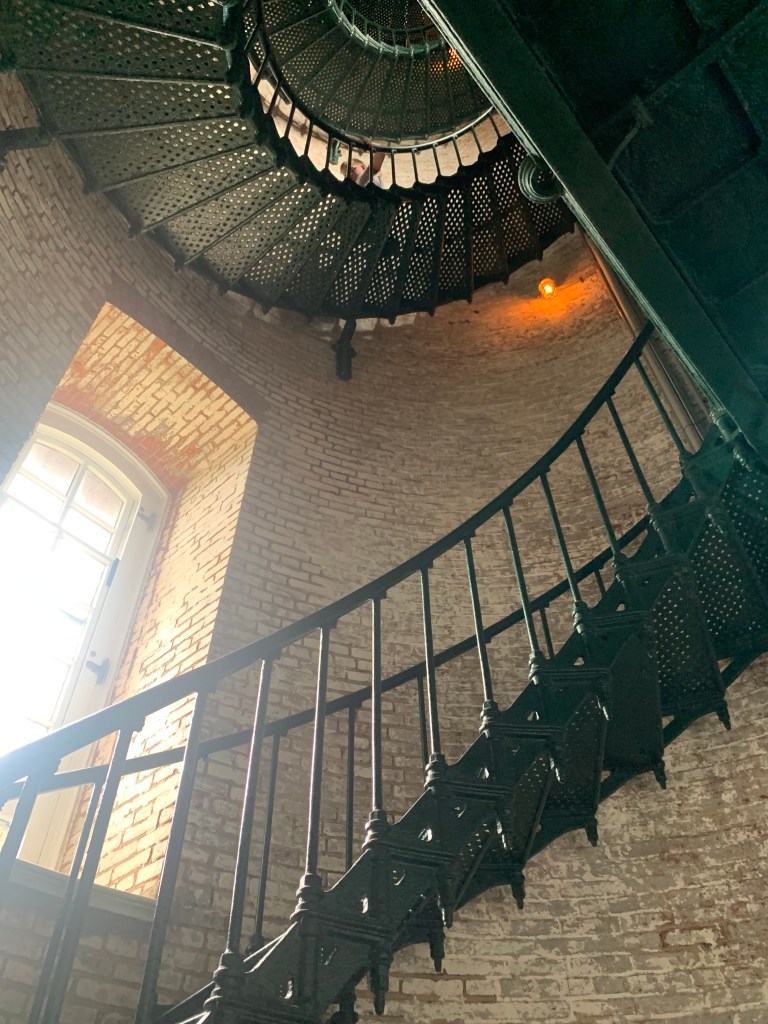
Flame Keeping
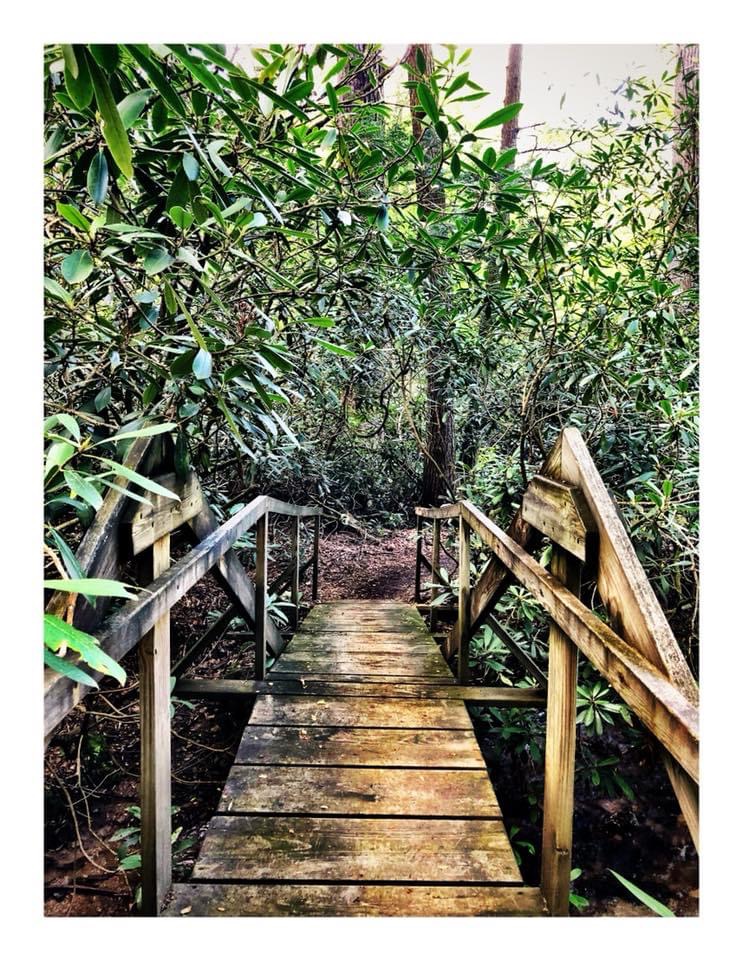


 At Water’s Edge