Cirumstantial Evidence

If you are a fan of courtroom dramas, you recognize the phrase “circumstantial evidence.” While the direct evidence of an eyewitness account or the forensic evidence of a DNA match are stronger in proving a case, circumstantial evidence is an effort to offer one or more facts from which a jury can infer the truth. When multiple facts are proven, this evidence can also find the answer if the argument is sufficient enough to help the jury connect the dots.

Psalm 104 reads like a presentation of circumstantial evidence, proving the truth of Genesis 1 about creation and the Creator. There are no eyewitnesses to creation. No forensic evidence can prove that God was there. Yet we see God in everything around us; the waters that flow and nourish the land, and the land that then grows to provide grass, plants, and food for humanity. We can connect the dots and easily prove that God created all of this for us as our sovereign Provider.

Psalm 104 (Common English Bible)

You put gushing springs into dry riverbeds.
    They flow between the mountains,
11         providing water for every wild animal—
        the wild donkeys quench their thirst.
12 Overhead, the birds in the sky make their home,
    chirping loudly in the trees.
13 From your lofty house, you water the mountains.
    The earth is filled full by the fruit of what you’ve done.
14 You make grass grow for cattle;
    you make plants for human farming
        in order to get food from the ground,
15         and wine, which cheers people’s hearts,
        along with oil, which makes the face shine,
        and bread, which sustains the human heart.

In God’s good, harmonious world, the wild and thirsty donkey can drink freely of good clean water. This fellow lives in the most desolate part of the wilderness, yet he is well taken care of by God. The birds sing their praise from the high, healthy trees and flourish on earth. Cows eat clean grass and humanity feasts on oil, bread, and wine. All is right in God’s world.

This passage challenges us on two levels. We can’t help but notice the perfection of God’s creation. What have we done? We have polluted and destroyed much of what we’ve been given. We have turned over pristine lands to development and forced God’s creatures out of their habitats. We have allowed greed to triumph over ecological balance and turned our backs on God’s desire that we would be good stewards of all of creation. We have squandered our gift.

On a happier note, this also challenges our routine, or lack thereof, of praising God. Psalm 104 was written by David as a praise song. Verse 12 tells us that the birds nest by the waters and sing among the branches. If even the birds know to praise God, why can’t we? 

If your life of daily praise, weekly worship, and constant caretaking of God’s creation was offered as circumstantial evidence of your Christianity, would there be enough proof to convict you of being a Christ-follower?

We’ve got to do better. It is our job to be constantly vigilant and relentlessly grateful for what we have been entrusted with. What do you need to do to change your ways so that your life is a reflection of your gratitude for all that God has given you?
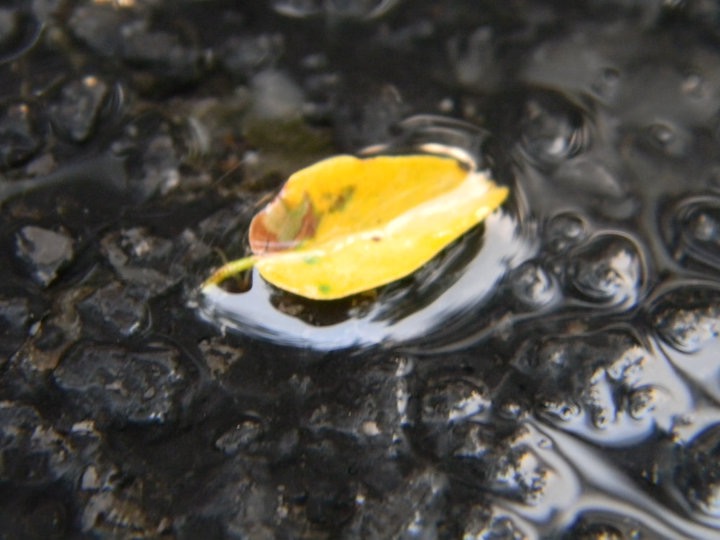
Flow Between the Mountains by Becca Ziegler
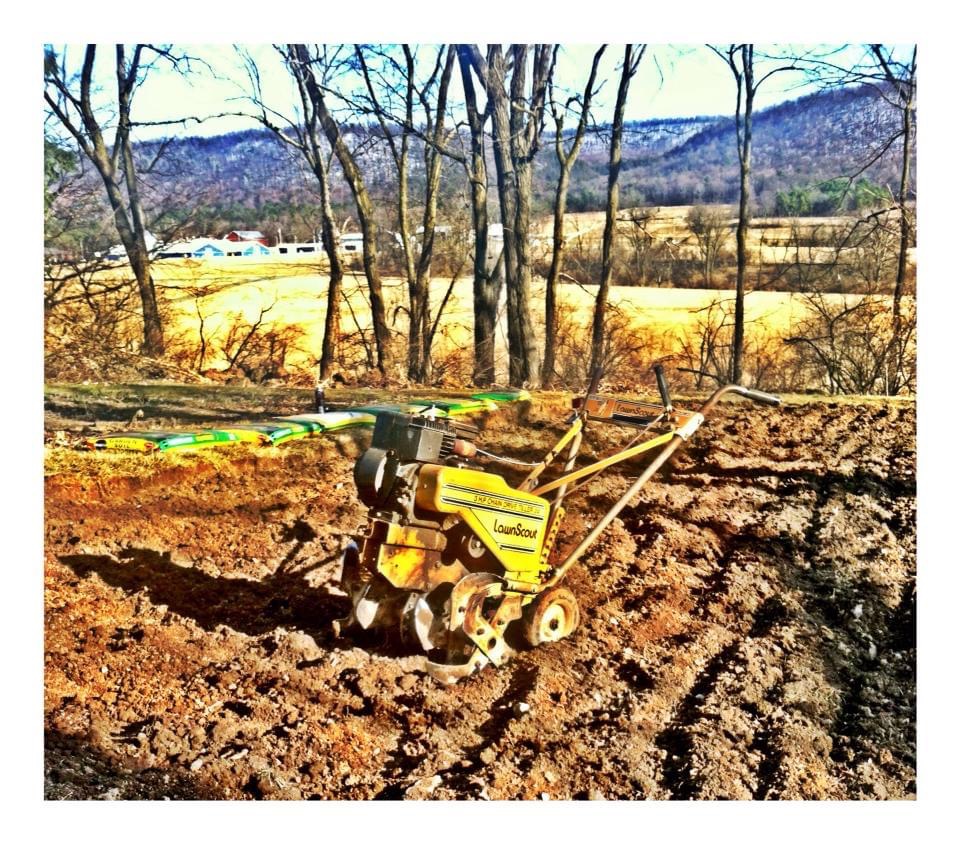
Entrusted

The real estate market has gone crazy in the Outer Banks. The inventory of houses for sale is so low that people are able to sell their houses pretty much “as is” for a significantly higher price than a year ago. My daughter is trying to find a house in Florida and had an appointment to see a house thirty minutes after it hit the MLS. Her realtor called to cancel the appointment an hour later. It was sold to a family who made a full price offer sight unseen two hours after it was listed.

If you’ve ever been a renter, a prospective homeowner, or a landlord, you know how volatile the whole situation can be. I have been all three and my least favorite role is as the landlord. It is always a scary situation to put your home in the hands of someone else. You just pray for tenants who will respect your property. Entrusting your asset to a stranger is hard to do.

Jesus once told a story about the tension between a land owner and his renters. It does not go well.

Matthew 21 (Contemporary English Version)

33 Jesus told the chief priests and leaders to listen to this story:

A land owner once planted a vineyard. He built a wall around it and dug a pit to crush the grapes in. He also built a lookout tower. Then he rented out his vineyard and left the country.

34 When it was harvest time, the owner sent some servants to get his share of the grapes. 35 But the renters grabbed those servants. They beat up one, killed one, and stoned one of them to death. 36 He then sent more servants than he did the first time. But the renters treated them in the same way.

37 Finally, the owner sent his own son to the renters, because he thought they would respect him. 38 But when they saw the man’s son, they said, “Someday he will own the vineyard. Let’s kill him! Then we can have it all for ourselves.” 39 So they grabbed him, threw him out of the vineyard, and killed him.

40 Jesus asked, “When the owner of that vineyard comes, what do you suppose he will do to those renters?”

If you are beginning to recognize this parable as an allegory about Jesus and the way he was treated by the people to whom he was sent, you are on the right track. Remember it starts with “Jesus told the chief priests and leaders to listen to this story.”

41 The chief priests and leaders answered, “He will kill them in some horrible way. Then he will rent out his vineyard to people who will give him his share of grapes at harvest time.”

42 Jesus replied, “You surely know that the Scriptures say,

‘The stone that the builders
    tossed aside
is now the most important
    stone of all.
This is something
the Lord has done,
    and it is amazing to us.’

It was foretold that the rejection of Jesus would lead to the inclusivity of all nations. It was part of God’s plan for the redemption of the world…but that still didn’t let them off the hook.

43 I tell you that God’s kingdom will be taken from you and given to people who will do what he demands. 44 Anyone who stumbles over this stone will be crushed, and anyone it falls on will be smashed to pieces.”

Harsh words indeed for those who had only been renting the Kingdom anyway. But in that regard, we are all just renting. The challenge for us then is to respect all that we have been entrusted with as though it was our own. Every resource we have is a gift of God.

Jesus reminds us that he has promised us a room in a mansion in heaven that he has gone ahead to prepare. Until then, take great care of all that has been entrusted to you on earth.

Entrusted by Becca Ziegler