All Hallows
The history of Halloween is interesting. It began as a Celtic practice called Samhain, which was held at the end of the harvest season, when late fall turns into frozen winter and the death of all the earth’s growing things was imminent. The Celts believed that on the day of Samhain, the veil between the living and the dead was lifted, and the dead came back and walked the earth. So the people dressed in costumes and lit bonfires to confuse the ghosts and ward off the evil spirits and the walking dead among them. Samhain was held on October 31st.
All Saints’ Day, a festival for remembering the saints, was set by Pope Gregory III on November 1st in order to co-opt this pagan tradition and connect it to a Christian practice. Samhain thus became known as All Hallows’ Eve, which we now call Halloween. In many ways, the two traditions are related. All Saints’ Day recognizes the work of the faithful who have died in the previous year and have gone on to experience God’s glorious eternity. Samhain was a day when people actively defied death, laughing at the very notion of it.
As it should be.
Nobody wants to die. We are designed by God to seek life, preserve life, protect life, and frankly, we spend most of our days trying to make the best of this life that we’ve been given. So while we don’t look forward to dying, we also can live our lives as those who are prepared to die, because living or dying, our life is with the Lord. God designed us for life, but death is a part of God’s design as well. Because of the resurrection of Jesus and his promise to take us to the place where he went upon his death, we can live in such a way that, while we don’t seek death, we don’t dread it either. We can laugh at death on All Hallow’s Eve, because in the end, death has no lasting power over us:
1 Corinthians 15 (The Message)
51-57 But let me tell you something wonderful, a mystery I’ll probably never fully understand. We’re not all going to die—but we are all going to be changed. You hear a blast to end all blasts from a trumpet, and in the time that you look up and blink your eyes—it’s over. On signal from that trumpet from heaven, the dead will be up and out of their graves, beyond the reach of death, never to die again.
At the same moment and in the same way, we’ll all be changed. In the resurrection scheme of things, this has to happen: everything perishable taken off the shelves and replaced by the imperishable, this mortal replaced by the immortal. Then the saying will come true:
Death swallowed by triumphant Life!
Who got the last word, oh, Death?
Oh, Death, who’s afraid of you now?
I know a man who was not afraid of death, despite his ongoing battle with brain cancer. He sought treatments, had surgery, and received miracles of love, healing, and friendships from the Lord. A new tumor had stabilized, and the original tumor bed has another tumor growing in it. This would be dealt with through prayer, positivity, medical treatments, and the power of God. In the meantime, guess what this man did when he received that diagnosis? He offered to lead a men’s Bible study and support group. That, my friends, is laughing at death. Who gets the last word? Jesus. Always Jesus.
We ain’t afraid of no ghosts.
58 With all this going for us, my dear, dear friends, stand your ground. And don’t hold back. Throw yourselves into the work of the Master, confident that nothing you do for him is a waste of time or effort.
Don’t hold back! Death has no sting.
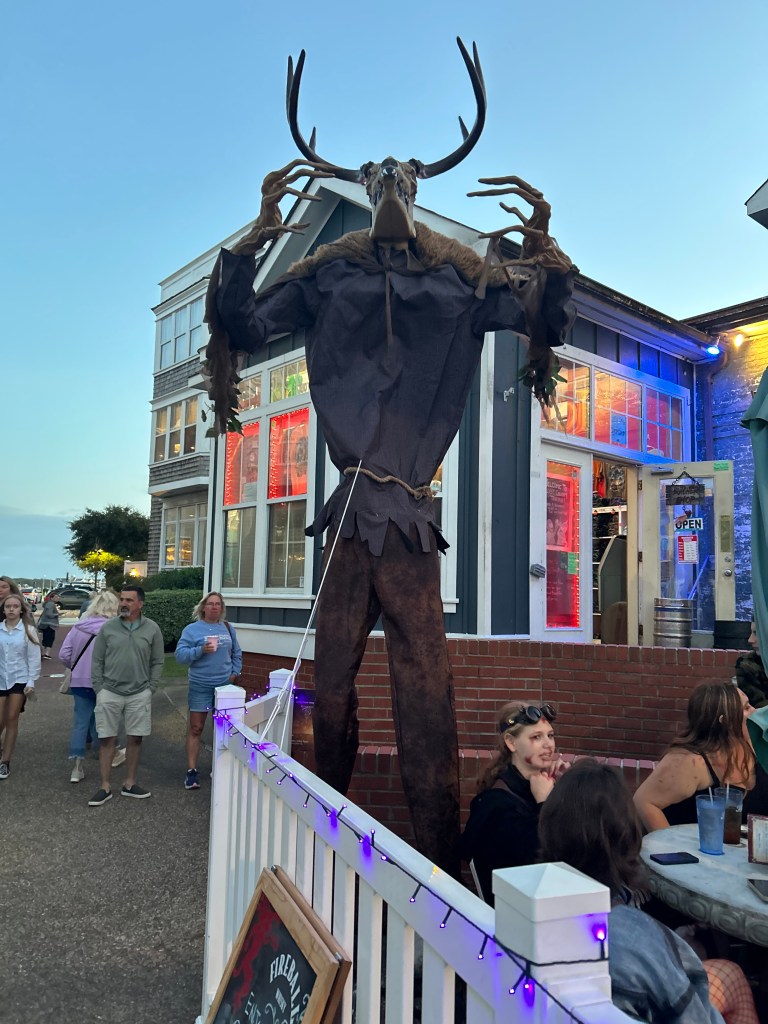
.We Ain’t Skeered
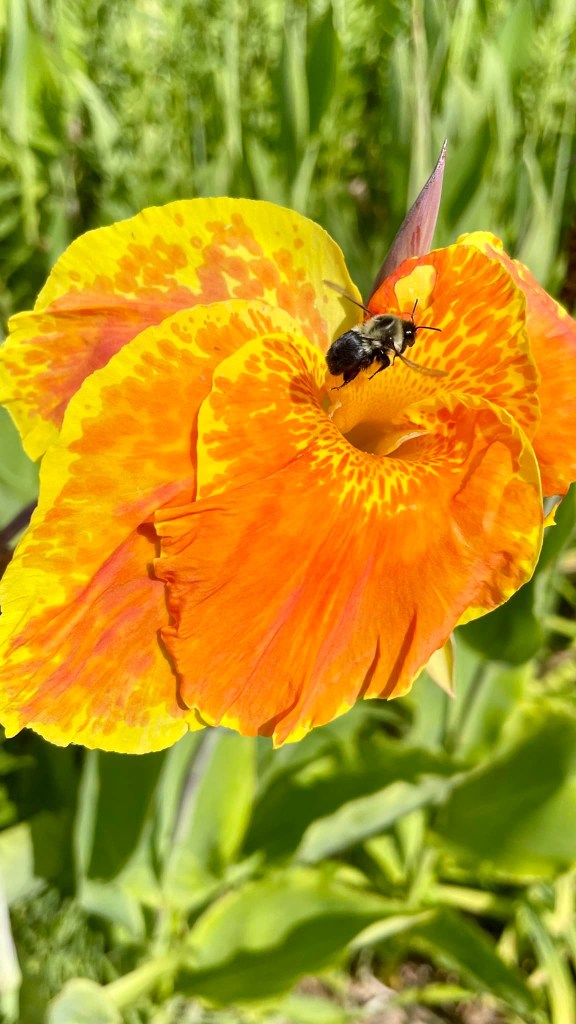
 At Water’s Edge